Tree Plantation Project (2018-ongoing)
UPDATES
Agroforestry for the Future: Tree Plantation Project in Baglung District October 2025
Report from Lara Kraushaar, Intern
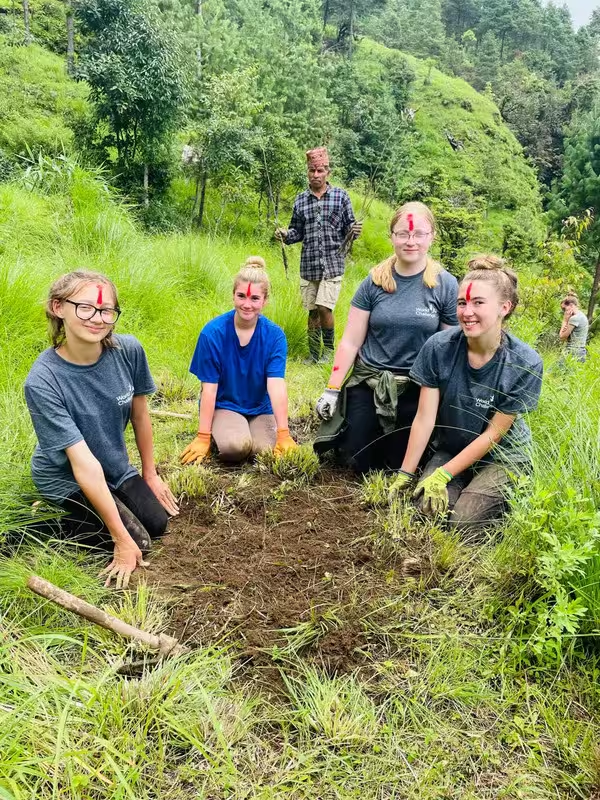
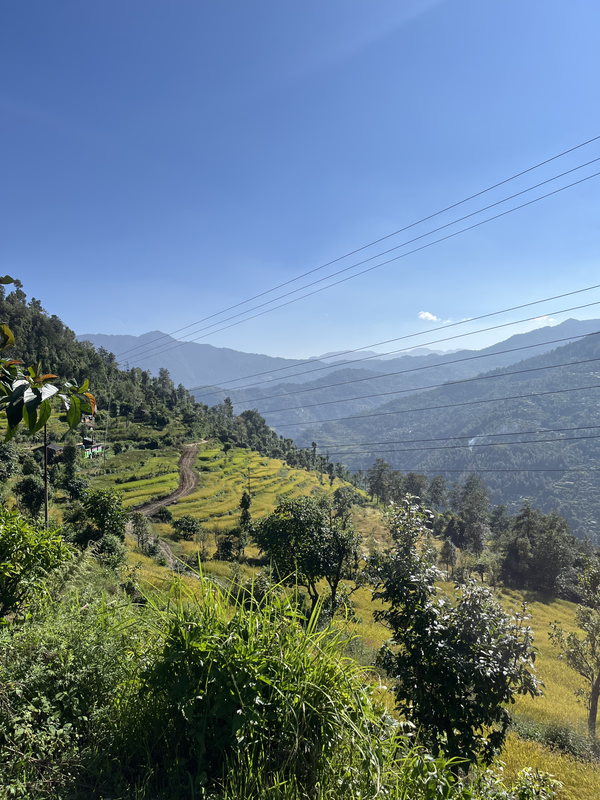
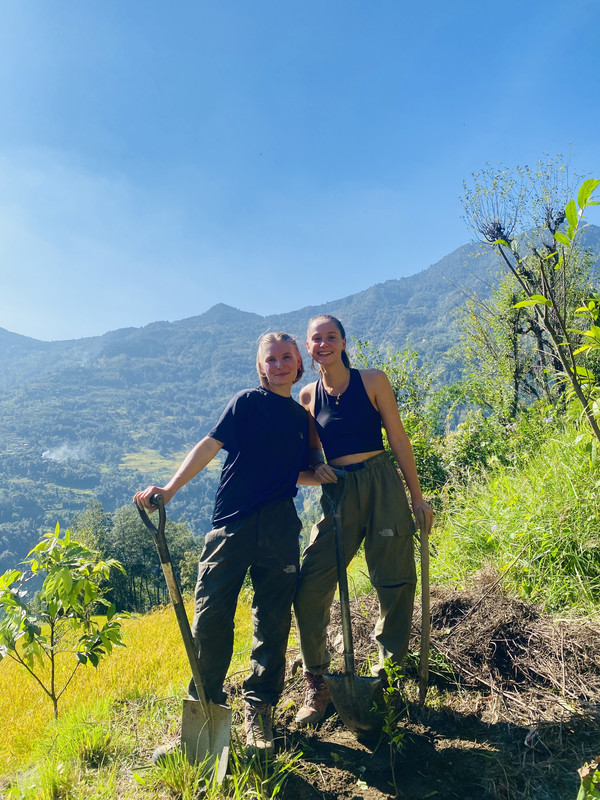
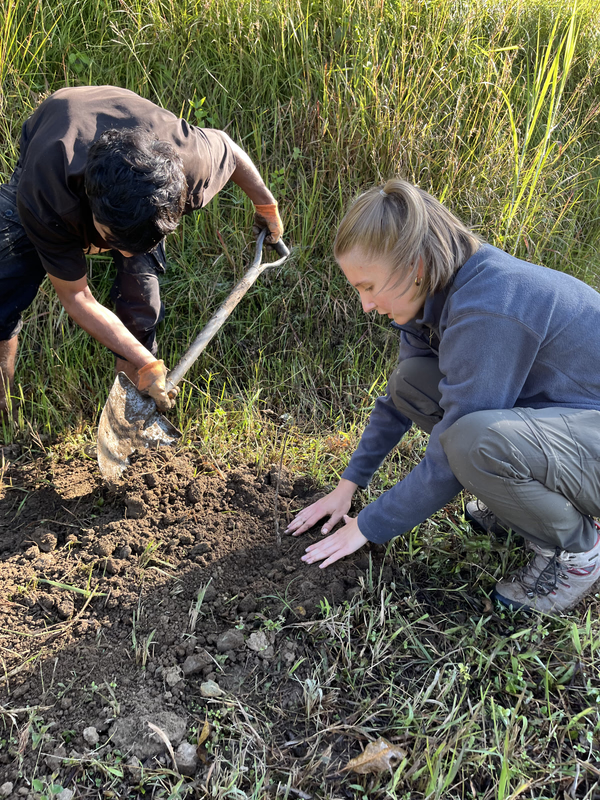
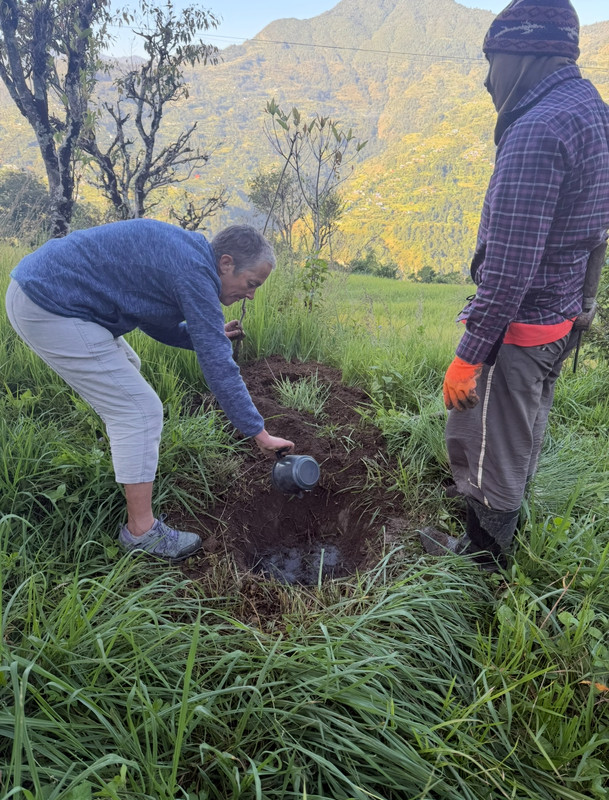
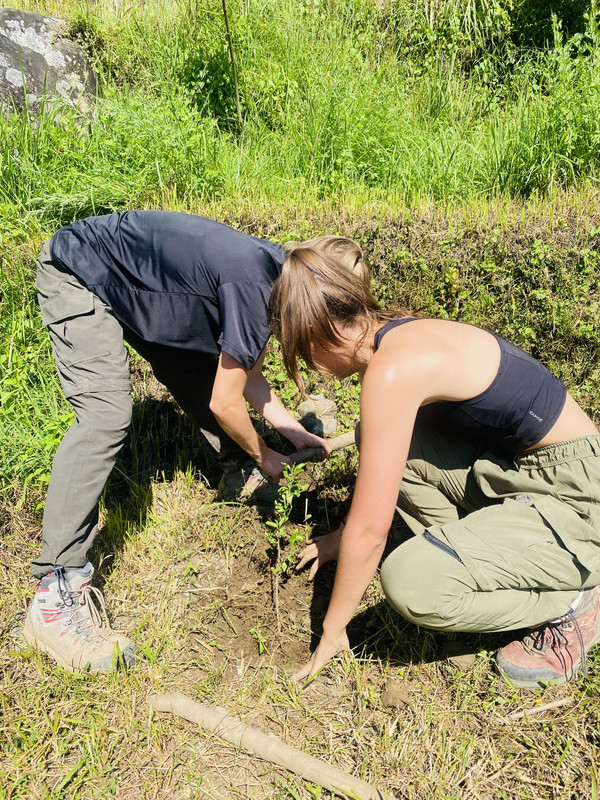
As part of PSD Nepal’s ongoing reforestation and community development efforts, a tree plantation was conducted in Baglung District in October 2025. Supported by the World Challenge Program, the activity aimed to promote climate resilience and sustainable livelihoods by introducing drought-and rain-resistant, income-generating tree species through community participation. Located in Nepal’s western mid-hills, Baglung faces increasing environmental and economic pressures. Through such initiatives, PSD Nepal works to restore ecosystems while creating long- term livelihood opportunities for rural communities.
Project Overview
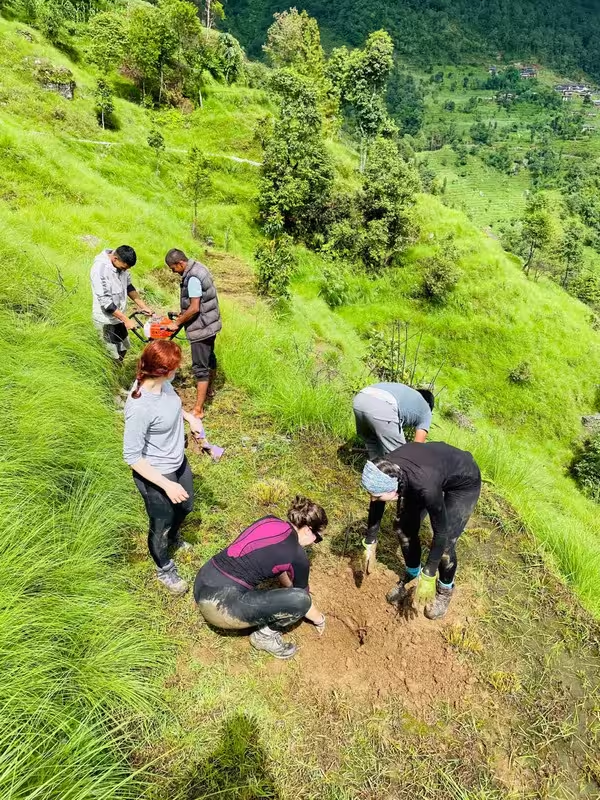
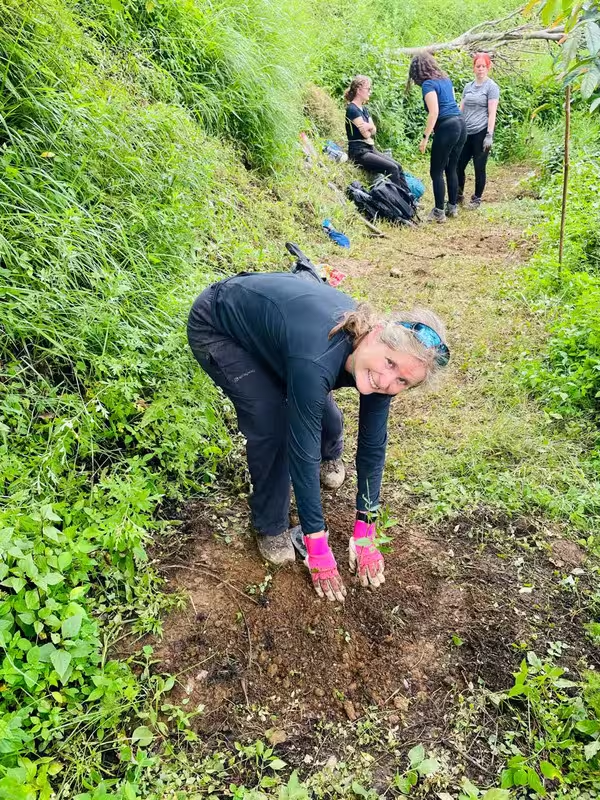
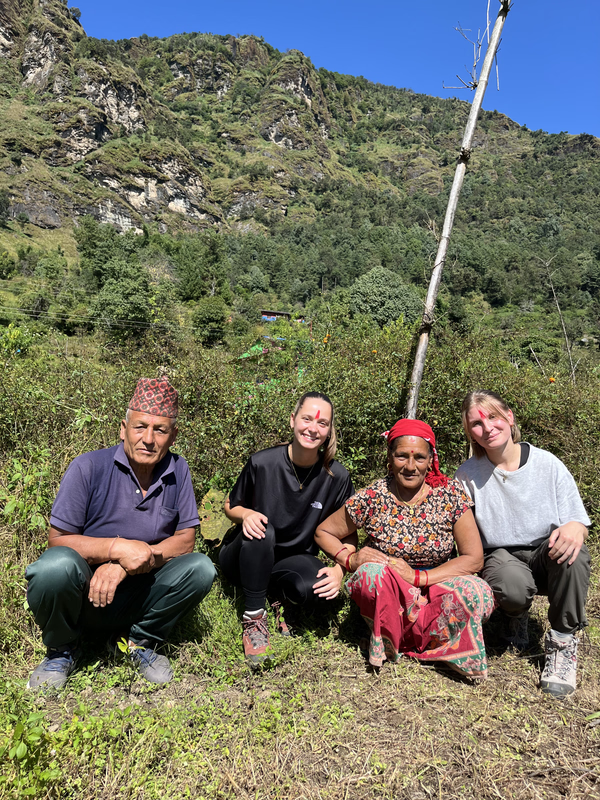
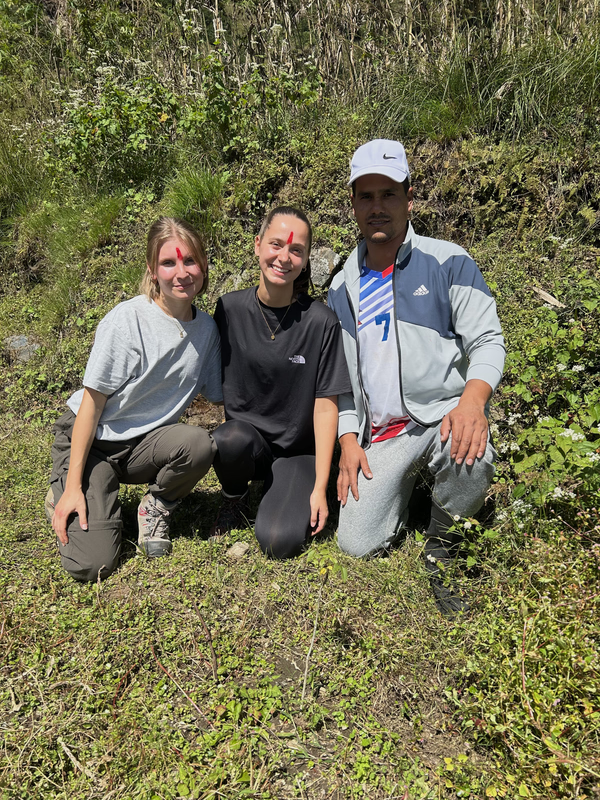
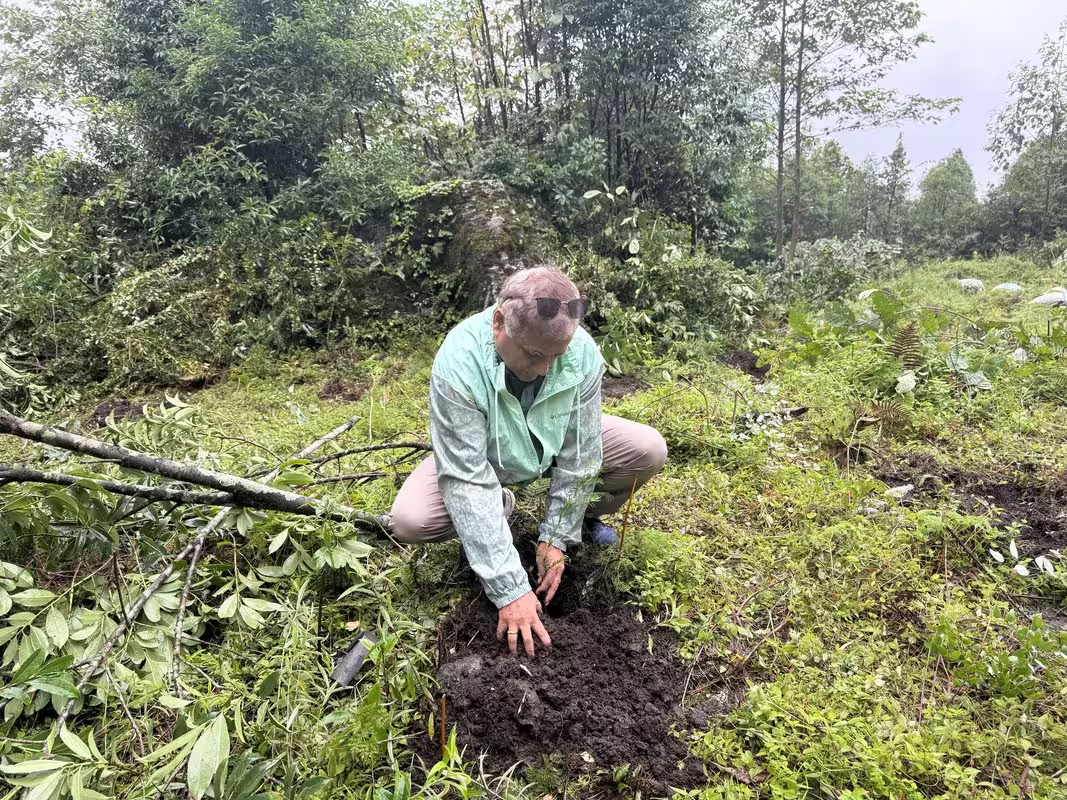
The plantation took place on October 11, 2025 on a community-owned field identified by local leaders for its suitable soil conditions and accessibility. A total of 160 saplings were planted, primarily consisting of walnut and lemon trees. These species were selected for their economic value and adaptability to the local climate, particularly their resistance to drought and heavy rainfall. The plantation was implemented by PSD Nepal staff together with six members of the local community. The field coordination was supported by volunteers Elisa Ibel and Lara Kraushaar. Mr. Bishnu H. Bhatta, Head of PSD Nepal, and Dr. Helen Harrison of the CRED Foundation(UK) also participated in the activity. While CRED Foundation previously funded other PSD tree plantation projects, Dr. Harrison’s involvement in Baglung was voluntary and hands-on, as she was in Nepal conducting teacher training at the time.
Community Participation
Six members of the village community took part in the plantation from start to finish. Their active involvement ensured that the work was conducted efficiently and built a sense of shared responsibility for the saplings’ future care.
Initial Observations
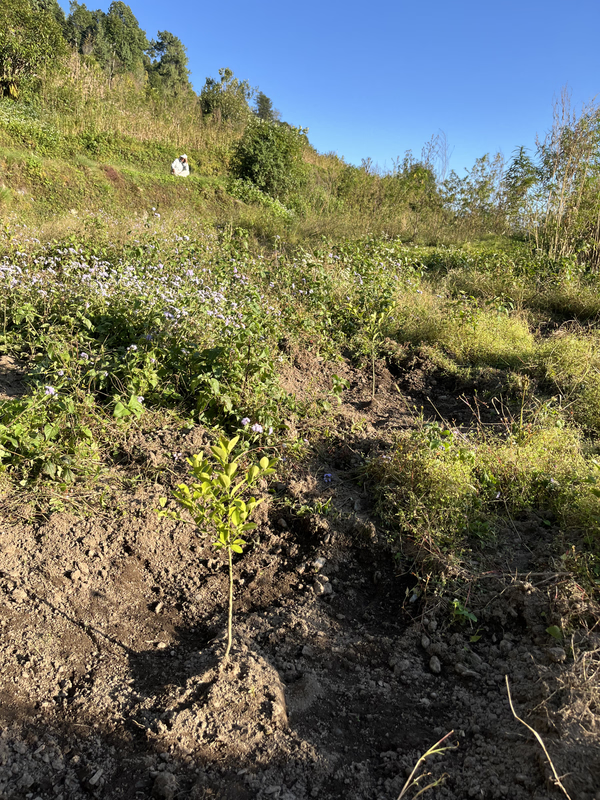
The plantation was completed successfully under favorable weather conditions. The soil quality proved supportive, and the saplings showed early signs of healthy growth. Local participants expressed enthusiasm for continuing the maintenance process and understanding more about agroforestry practices.
Next Steps
In the coming months, PSD Nepal will continue to monitor the survival and growth rate of the saplings and maintain close coordination with the participating households. A follow-up assessment will be conducted to evaluate the plantation’s effectiveness and to identify potential improvements for future activities.
Acknowledgements
PSD Nepal expresses its sincere gratitude to the World Challenge Program for its financial support and trust, which made the Baglung tree plantation possible. Originally, twelve students from the United Kingdom were scheduled to travel to Nepal and participate directly in the plantation. However, due to the Gen-Z protests in Kathmandu, Nepal, their visit had to be postponed. Demonstrating exceptional generosity and commitment, the World Challenge Program allowed PSD Nepal to proceed with the activity in their absence, ensuring that the project could still deliver its environmental and community objectives.
PSD Nepal also extends appreciation to Dr. Helen Harrison of the CRED Foundation (UK) for her voluntary, hands-on participation during her stay in Nepal. Special thanks are further extended to the local community of Baglung for their active involvement and continued care of the saplings.
Evaluation of Tree Plantation Project - October 2025
Report from Lara Kraushaar & Elisa Ibel, Interns
Introduction
This report presents the findings from a field visit and evaluation conducted by PSD Nepal in Baglung District, where three households were interviewed as part of the ongoing Tree Plantation Project. The project was implemented in October 2025 with the goal of improving local livelihoods, restoring degraded land, and strengthening community resilience through agroforestry.
The evaluation aimed to assess the initial survivial rate of the saplings, community engagement, and early perceptions of economic and environmental benefits.
Methodology
The assessment was carried out through structured interviews with three out of ten families who actively participated in the plantation. Each household was asked about:
- Survival rate and health of the planted trees
- Mainetance and watering practices
- Economic and emotional perspectives
- Adaptation to climatic and environmental factors
- Willingness to expand plantation areas
- Future plans and improvement ideas
The interviews were supported by field observations from Elisa and Lara, as PSD Nepal representatives.
Overview of the Plantations
A total of ten households participated in the Baglung plantation activities, each planting between 100 and 150 trees, with an overall estiate of 1,200 saplings planted. The evaluated sites were located in Sima Village and its surroundings. The main species included walnut and lemon, chosen for their high market value, resilience to variable weather conditions, and low labor demands compared to annual crops. The plantations were established approximately two month prior to the evaluation. Participants reported average survival rates of 70-95%, with lemon trees performing better in warmer temperatures and walnut saplings being more vulnerable to excess moisture. Despite some losses, all families expressed motivation to continue and expand their plantations in the future, noting the potential for both economic improvement and environmental benefit.
Findings from Familiy Interviews
Family 1 - Ganesh Khadka Household
The first family planted around 150 saplings, mainly walnut and lemon. They estimated that 70-80% of the trees are in good condition. The household plans to water the trees weekly and fertilize them every six month using buffalo manure. They reported being satisfied with the plantation and expressed interest in expanding to plant an additional 500 saplings if support were available. They suggested that guava, pear, and a local fruit called palam would complement the existing trees. The family expects the trees to provide financial stability and help reduce dependence on seasonal crops. They also noted that the project has inspired neighboring families to begin planting trees on their own. The familiy expressed strong satisfaction and optimism about the plantation. They reported feeling happy, excited and hopeful about the trees' contribution to their financial independence.
Family 2
This household planted around 100 trees five months ago. Every lemon sapling survived, while 5–6.walnut trees were lost to rain damage. The second household emphasized that sapling-based planting has a much higher survival rate than planting seeds. They observed some leaf damage from insects, though not severe enough to harm the plants. The family currently relies on rainwater during the monsoon and plans to start monthly watering once the soil dries. They also use buffalo manure as organic fertilizer. They expressed optimism about the economic value of walnuts, which can sell for 500–600 NPR per kilogram, and expect the first yield in about five years. They plan to sell their harvest in local markets to support household income. Furthermore, they expressed interest in avocados, kiwis, grapes, and citrus fruits for future planting, as well as in beekeeping to complement pollination and generate honey as an additional income stream. The emotional sentiment was overwhelmingly positive and hopeful, with the plantation seen as a step toward community progress.
Family 3
The third family planted 120 saplings four months prior the visist and reported a very high sapling survival rate, with only two or three trees lost. The plantation is managed collectively by three family members - the father, grandmother, and uncle. Watering is done using river water, and during dry periods they plan to water two to three times per month. The family also applies buffalo manure regularly and removes grass around the trees to prevent competition for nutrients. They noted that the income from future fruit harvests will help cover household expenses and improve financial independence. The grandmother, who plays a leading role in maintaining the trees, stated her desire to expand the plantation with orange and avocado trees after seeing their success in nearby villages. The family also reflected on local changes: in the past, more people owned livestock, but youth migration has reduced agricultural activity. The tree plantation, they said, helps revitalize land use and provides hope for the next generation.
Socio-Economic Impact
The plantations have generated emotional and economic benefits. Older residents feel reconnected to their land, while younger family members show growing interest in sustainable farming. It is estimated that 10 families have directly benefited from PSD Nepal’s plantation program in Baglung and that over 100 community members will indirectly benefit from fruit distribution, environmental restoration, and improved microclimates. The plantations are strengthening community cohesion, promoting environmental awareness, and contributing to food security through the introduction of citrus and nut species not previously cultivated in the area.
Challenges and Lessons Learned
- Weather conditions: Heavy rain during the monsoon led to waterlogging and minor sapling losses
- Physical damage: Some walnut saplings were stepped on due to open field exposure
- Climate effects: Families observed slightly increased storms and soil erosion but managed with traditional adaptation methods
- Capacity Needs: Families expressed interest in learning more about pest management and beekeeping to complement tree farming.
Acknowledgement
PSD Nepal extends its deepest gratitude to the World Challenge Program for its financial and practical support in making the Baglung Tree Plantation possible. The commitment of the World Challenge teachers and students who worked hands-on in the field alongside PSD staff and local families was instrumental in establishing a successful and collaborative planting process.
Dolakha Tree Plantation August 2025
Report from Leo Parker, Intern
Agroforestry for the Future: Tree Plantation Trip to Jugu, Dolakha, Nepal
This week, we travelled to the village of Jugu in Dolakha, Nepal, to plant over 2,000 trees alongside residents of the village and members of the wider community. Set against the backdrop of the Himalayas, this tree plantation trip was more than an ecological mission, it was a direct response to the interlinked challenges of environmental degradation, inequality, and rural-urban migration that are hollowing out villages across Nepal.
Like many rural communities in Nepal, Jugu faces the dual pressures of environmental vulnerability and economic isolation. Climate change driven challenges such as soil degradation and shifting weather patterns have made traditional subsistence farming increasingly difficult. These stresses, combined with limited infrastructure and few local employment opportunities, have contributed to a steady exodus of young people, who often seek work in Kathmandu or migrate overseas. The result is a landscape that is not only physically degraded but socially hollowed out. The departure of the working-age population leaves behind aging families and weakened village economies. Without urgent and innovative interventions, villages like Jugu risk falling into cycles of abandonment and ecological collapse.
The plantation trip brought together a diverse group committed to reversing these trends. On the day itself, our group from PSD and local residents joined together to plant a mix of native and economically valuable trees across three plantation areas belonging to the village community. The Sichuan pepper tree, and another crop with medicinal qualities were selected not only for their ecological benefits but also for their income-generating potential.
Planting 2,000 trees in a community like Jugu is a strategic investment in climate resilience and rural revitalisation. These trees will restore degraded land, preventing landslides and improving water retention. They will sequester carbon, contributing to Nepal’s climate commitment and help rebuild local ecosystems, supporting biodiversity and pollinators. From an economic perspective, these plantations will contribute tofuture income streams for local families and provide employment opportunities for maintenance, harvesting, and small-scale processing. At the heart of this initiative is the need to address rural-urban migration, which is both a symptom and a cause of underdevelopment. As young people leave in search of opportunity, the fabric of rural life frays, schools struggle to stay open, plantations lie unsown, and traditional knowledge is lost.
By demonstrating that sustainable livelihoods can be built at home, this tree plantation effort provides an alternative narrative. Trees take time to grow, but they represent long-term commitment, a signal that the community sees a future worth staying for. If even a fraction of the youth who might have migrated can instead engage in agroforestry, processing, or eco-tourism tied to reforested land, the economic trajectory of the village can shift.
A key feature of the Jugu initiative is its emphasis on community participation. Rather than being an externally driven project. From planning site selection to caring for saplings post-plantation, the plantation was carried out with active local involvement. This local stewardship is crucial: The success of any ecological project depends on people who live with the trees, care for them, and ultimately benefit from them. If scaled, this kind of reforestation could help turn Nepal’s depopulating villages into hubs of green enterprise, places where people choose to stay, work, and thrive. Planting 2,000 trees is just the beginning. In five years, these saplings will begin literally and economically bearing fruit. In ten years, they will reshape the landscape, stabilising hillsides and restoring wildlife habitats. In twenty years, they may anchor a new rural economy rooted in sustainability, equity, and pride. But the immediate impact is just as important: the trip to Jugu sparked conversations, connections, and a shared sense of purpose among its participants. It gave young people a reason to believe in the value of their land and their role in protecting it.
Many thanks go to Elisa Ibel, Lara Kraushaar and Daniel Murphy in their efforts raising funds for this project, and to all their supporters who have kindly donated so far. This project is ongoing and we require further funding in order to pay back the costs, continued support of these fundraisers is therefore hugely appreciated.
World Challenge Programme July 2025
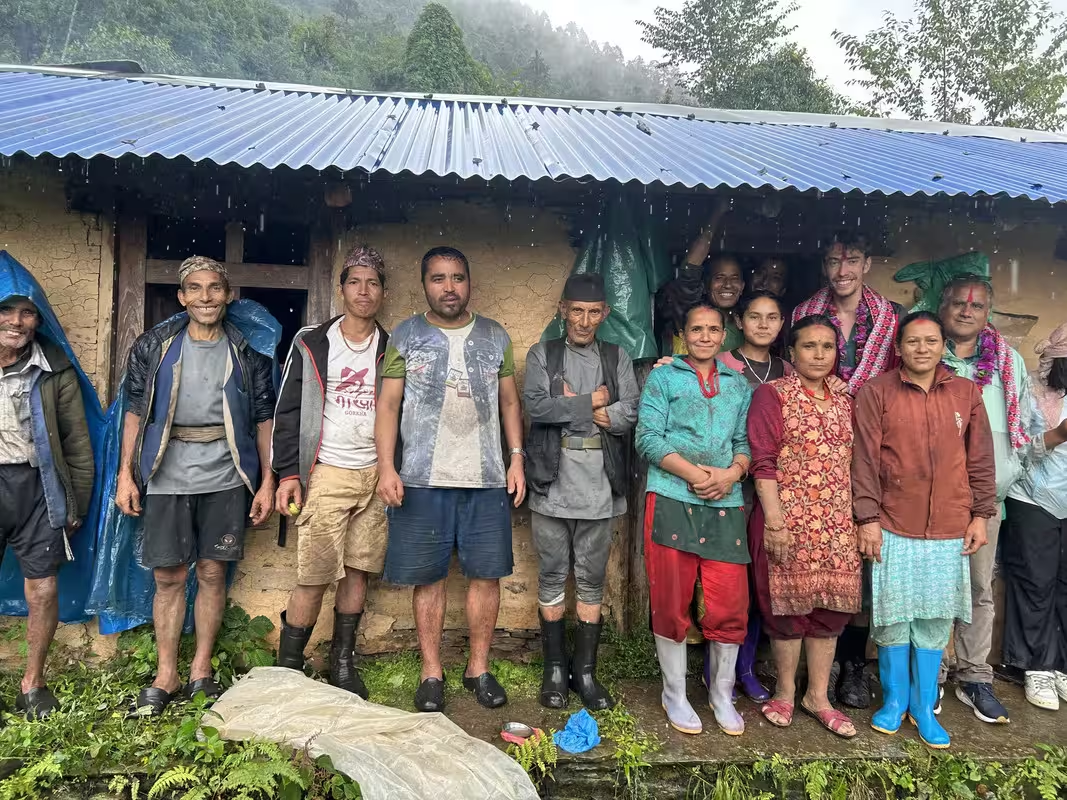
In July 2025, three groups from the World Challenge Programme (St. Mary’s School, Cambridge, UK) visited Baglung, Nepal, to actively support the PSD Nepal Plantation Project. Together with local hosts in the villages of Sima, Doheri, and Majhkatera, the groups engaged in reforestation, community empowerment, and rich cultural exchange.
The young volunteers, teachers, and World Challenge leaders enthusiastically planted more than 400 walnut seedlings, on previously barren land at altitudes up to 2,200 meters. Community members had meticulously prepared the sites, allowing the students to dig, fertilize, and plant efficiently. Despite steep terrain and remote access, the teams handled logistical challenges with the help of local jeeps and strong community partnership.
Both groups enjoyed homestays with local families, sharing meals, daily routines, and household chores. Highlights included a vibrant cultural programme hosted by the village women’s group, with music, dance, and heartfelt welcomes. Volunteers learned to prepare Nepali food and, in turn, taught local children and women to make friendship bracelets, a token of new friendship and respect. At farewell, both visitors and hosts exchanged traditional Nepali blessings and sweets.
With support from teachers, the UK students distributed reusable sanitary pads and instructions, empowering local women to make their own and improve menstrual hygiene affordably. This simple, practical knowledge transfer was deeply appreciated by the community.
The entire project’s success was rooted in strong cooperation: Local residents pre-dug holes, prepared materials, and ensured warm hospitality, while the student groups contributed energy, curiosity, and a true spirit of service. The collaboration not only accelerated the planting effort but deepened cross-cultural bonds which will last for years to come.
World Challenge Programme July 2024
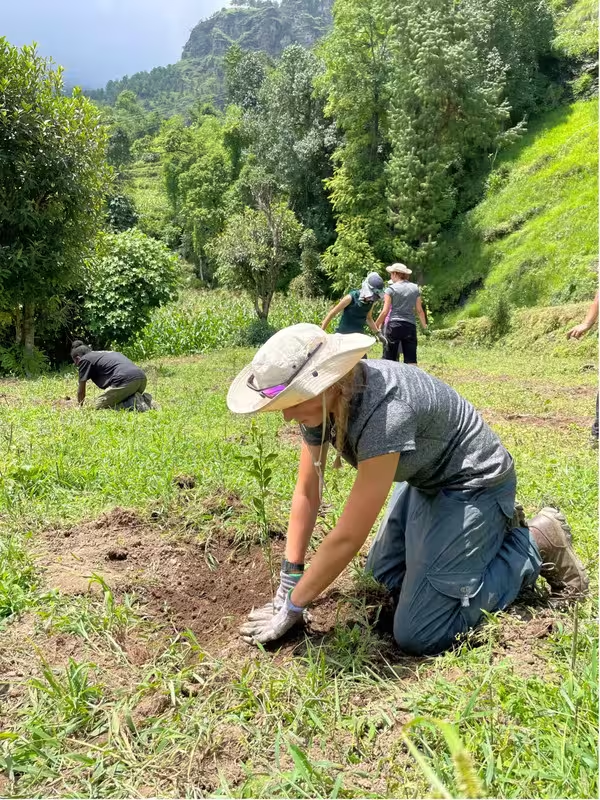
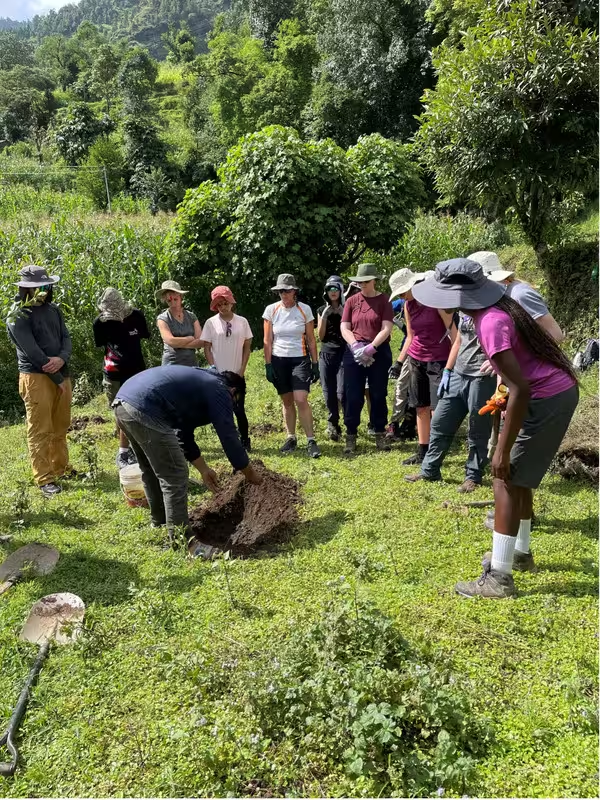
In July 2024, the World Challenge Programme brought students and teachers from UK schools to Bhimapokhara, Baglung, where, in partnership with PSD Nepal and the local community, they tackled reforestation and community development in a hands-on, collaborative way.
Five groups arrived from mid to late July. Each team was warmly welcomed by local families and quickly immersed in Nepali village life, preparing meals, sharing stories, and planning the days’ activities together with their hosts. The experience blended environmental work with genuine cross-cultural discovery, as students learned not only about tree planting but also about Nepali cooking, agriculture, and traditions.
Insights of Group 3 & 5:
-
The third group (The Duchess’s High School) worked in Sima between July 19th and 22nd, 2024. Energized by group discussions and local collaboration, they planted almost 275 seedlings, mostly walnut, plus avocado and lemon, on land previously left barren. Their days included planting sessions, local meals, and lively evening gatherings.
-
The fifth group (Winterhill School) made their impact in Doheri and Sima from July 26th to 29th. Despite weather challenges, they succeeded in planting over 135 seedlings of walnut, avocado, and Sichuan pepper, making use of every tool and opportunity for cooperation with local residents. Their journey included walks through the scenic landscape and evening culture programs full of dance and shared enjoyment.
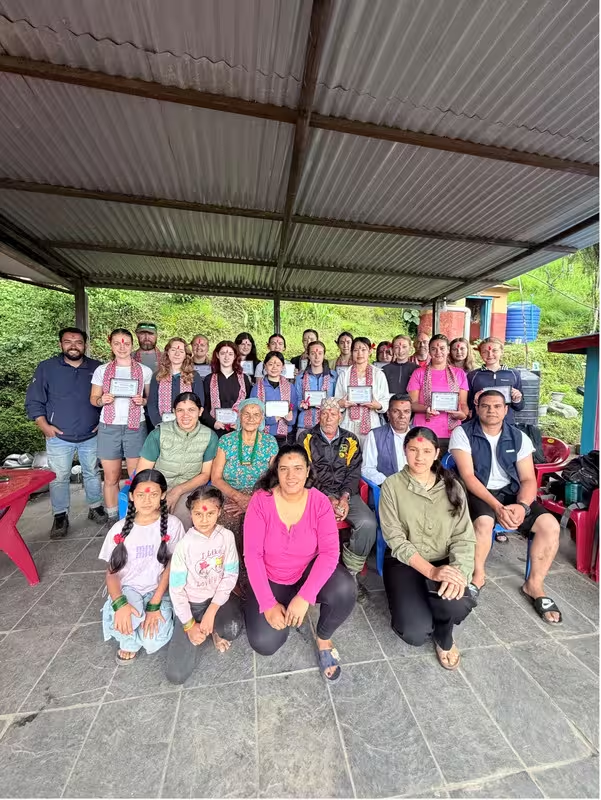
Evenings offered vibrant cultural programs: dancing, music, and exchanging experiences between Nepali hosts and international guests. Both groups embraced the opportunity to try local cooking and took every chance to build lasting friendships. At the end of each visit, emotional farewells and heartfelt words of appreciation reflected how meaningful the project had become for everyone involved.
The success of both group missions in 2024 was rooted in support from local leaders, the dedication of Nepali host families, and the humility and enthusiasm of the student volunteers. Organizers especially recognize the guidance and encouragement from PSD Nepal and World Challenge coordinators, as well as the welcoming attitude of community members at every stage.
In 2024, the World Challenge Programme did much more than plant tree: It grew new friendships, skills, and hope for sustainable, community-driven change in rural Nepal. This spirit of shared purpose and mutual support truly defined the year’s achievements.